At our vintage car dealership, we have been able to observe how certain classic vehicles attract interest quickly, while others remain available for a longer time. We have handled a wide range of models, and as we continue to update and monitor them, the trends have started to reveal why some vehicles gain attention faster.
These patterns, shaped by era, style, build condition, and historical presence, continue to guide the decisions buyers might make. Our goal remains to help those looking to buy and sell classic cars understand what moves quickly and why.
Design Familiarity Sparks Emotional Connection
In the world of classic automobiles, demand does not always align with rarity alone. A well-known design, a memorable driving experience, or even a connection to a specific cultural era can lead to faster sales. Cars that bring back memories for one generation or become a style statement for another can create a wave of interest without much effort.
Models like the 1950 Chevrolet 4 Door Sedan or the 1950 Nash 4 Door Sedan continue to stir that emotional response. Their distinctive post-war styling, chrome accents, and full-sized bodies represent a design philosophy that shaped the automotive identity of an entire decade. While they may not be as flashy as later muscle cars, their presence and nostalgic charm draw interest from collectors who appreciate elegance in simplicity.
These types of cars often attract attention because they represent more than transportation. They reflect an era when craftsmanship was visible in every curve. Buyers looking for that understated charm are more likely to act quickly when such models appear in solid condition.
Trucks and Restorations Continue to Draw Eyes
Classic pickups from the early 1950s carry a strong presence, and few models demonstrate this better than the 1952 Ford F1 Pickup. Known for its solid frame, signature grille, and smooth handling, this pickup combines utility with unmistakable style. When a well-kept or restored example becomes available, interest usually follows quickly. These trucks offer more than nostalgia; they represent durability and timeless form.
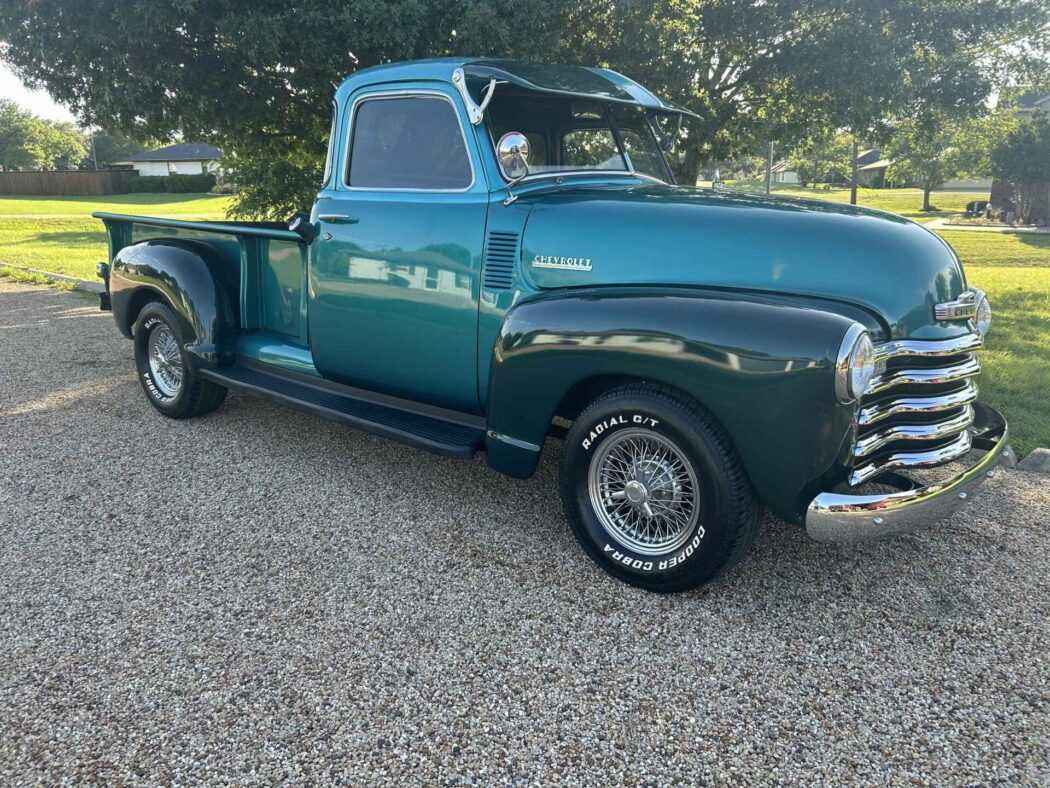
On the restoration side, interest often builds around vehicles that blend heritage with modern enhancements. The 1953 Chevrolet Bel Air Restomod stands as a good example. With its original silhouette paired with upgraded mechanics, smoother suspension, and refreshed interiors, it provides a bridge between eras. Buyers often see this kind of restoration as an opportunity to enjoy the character of a classic while experiencing the comfort of a modern build. These kinds of cars are not known to linger for long.
The Details Often Speak the Loudest
The subtle elements in a car’s presentation can greatly influence how quickly it sells. Color combinations, preserved interior features, original knobs, or even matching wheels may help create a stronger sense of authenticity. Buyers may not always mention it out loud, but these touches often help form an emotional connection.
A vibrant paint job on a well-preserved sedan or a thoughtfully selected wheel set on a restomod build may prompt faster decisions. These details are not just cosmetic. They reflect the level of care and attention given to the car, which adds to its perceived value.
Not every vehicle needs a full restoration to appeal to buyers. Some cars hold value because they have aged gracefully, with original parts and authentic finishes intact. A four-door sedan from the 1950s with clean upholstery, reliable drivability, and factory-installed features may appeal to those seeking preservation over modification.
Preservation and Honest Presentation Matter
Classic cars that have been kept in good condition over time often receive stronger interest. Original engines, correct trim, and documentation add credibility. Buyers looking for investment or resale often lean toward these types of vehicles.
Lesser-seen models such as early-1950s sedans might not receive the same immediate recognition as sports coupes or convertibles, but they still have a dedicated audience. Some buyers are actively seeking models that provide a sense of personal expression or rarity without being overexposed.
That’s part of why the buy-sell classic cars market remains so dynamic. Taste and demand may shift, but appreciation for quality, design, and care does not disappear. Those qualities often help a car find a new home faster.
Conclusion: Recognizing the Traits That Make Cars Move
For those preparing to explore the classic car market, understanding the qualities that attract quicker interest can make the journey smoother. Whether it is a carefully restored model with a deep rumble or a gracefully aged vehicle waiting for its next chapter, the cars that move quickly tend to offer something that invites a second look.
Every classic car has its audience. Some gain attention instantly, while others reveal their value over time. Those who buy and sell classic cars understand that fast sales rarely happen by chance. Behind each one is a story, a connection, and a sense of character that continues to leave a lasting impression.