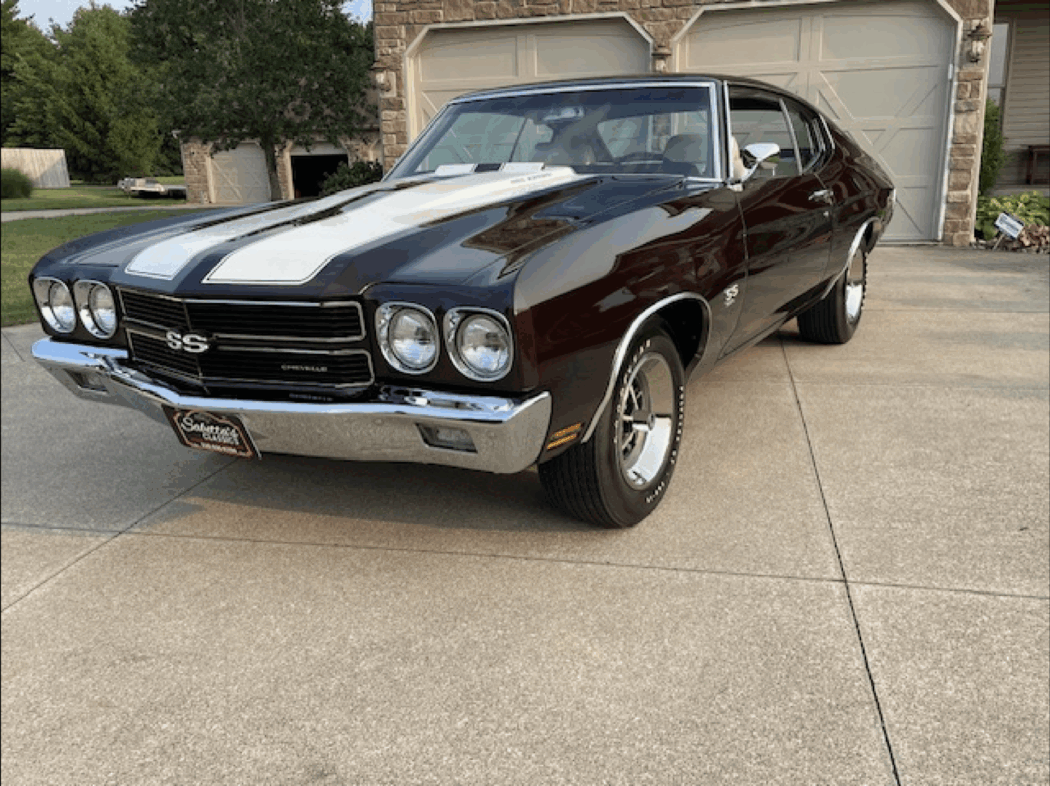
There’s something about a classic Mustang that speaks to us before the engine even starts. Whether it’s the sweeping lines, the powerful stance, or the memories tied to a different era, these cars have a way of grabbing attention and holding it. We see that connection play out all the time through the people who come searching for their first vintage ride and through those returning for another because they can’t stay away.
In every case, classic Mustangs manage to stir something that’s hard to describe but easy to recognize. Anyone browsing for a classic mustang for sale is usually searching for more than transportation; they’re chasing a feeling.
How Much Is My Classic Car Worth?
Classic car value is often about more than the model name or production year. It’s a mix of condition, originality, historical significance, and demand. When it comes to Mustangs, these factors can shift considerably depending on trim, performance packages, and past restoration work.
For instance, a 1969 Mustang Mach I Drag Car in clean condition with performance upgrades will appeal to collectors who value rarity and power. Compare that to a 1965 Coupe that’s still in mostly original condition; both have value, but each tells a different story. The first draws the performance crowd, while the second might attract a buyer interested in preserving the vehicle’s originality.
Some of the most sought-after listings in this category include classic cars for sale in Fort Worth, where Mustangs regularly stand alongside other vintage icons priced with care and consideration of their history.
How to Appraise a Classic Car
Appraising a classic car begins with a careful look at key details. It’s not only about age or mileage — it’s about how well the car represents what it was initially meant to be. Is it complete? Has it been restored properly? Are the parts authentic or replaced?
A car like the 1966 C-Code Coupe project will have a different appraisal approach than a fully finished showpiece. For a project car, value lies in its bones: the frame, the body lines, the VIN, and the extent of the original equipment intact. Enthusiasts appraising these types of vehicles often consider the restoration journey part of the car’s worth.
Appraisals also consider paperwork. Owners preparing to list or trade often wonder, what documents do I need to sell my car? Titles, bills of sale, maintenance records, and inspection forms are all essential. Having these ready adds trust and value when it’s time to talk numbers.
What Is the Best Classic Car to Restore?
When choosing a car to restore, the best option often depends on the balance of passion, parts availability, and long-term goals. Classic Mustangs, especially those from the 1960s, are considered among the most accessible and rewarding models to take on as a restoration project.
Why? Because they’re widely loved, well-supported by the aftermarket community, and come with a flexible path forward. Whether the goal is a track-ready build or a carefully restored garage gem, the Mustang fits. Take the 1966 C-Code Coupe as an example. As a project car, it offers a foundation with history and potential, making it a great candidate for someone with vision and the tools to realize it.
These cars aren’t just shells of the past. They give owners a chance to be part of something ongoing. And thanks to the widespread community around Mustangs, guidance and support are never far away. Some buyers even begin their search by looking for classic pickup trucks for sale, then find themselves pulled in by the style and simplicity of a Mustang instead.
Built for the Road, Remembered Forever
Classic Mustangs don’t just live in garages. They live in memories, road trips, first rides, and restoration stories passed down. That’s why they still feel present even decades after their debut.
What makes them special isn’t only the way they look or sound. It’s how they make people feel. Whether someone’s looking for a weekend cruiser, a showstopper, or something meaningful to restore, a Mustang has a way of fitting the moment.
They’re easy to recognize, but never dull. They’re popular, but never common. And that balance of beauty, history, and drive keeps people coming back.
The Final Word: It’s Not About the Destination
In the world of classic cars, a Mustang does more than look good. It brings back a feeling, a memory, a sense of freedom that’s harder to come by these days. It’s the kind of car you drive for the sake of driving. And for those still searching, it’s the kind of car worth finding.
As one Mustang admirer once said, “You don’t drive a classic Mustang to get somewhere. You drive it to remember why you love cars in the first place.”
That sentiment still echoes today. If you’re exploring listings for a classic Mustang for sale, you’re not simply buying a car. You’re stepping into a story that’s waiting for your chapter.
Frequently Asked Questions
Q1: How do I find out how much my classic Mustang is worth?
To determine the value of your classic Mustang, consider factors like condition, originality, trim level, historical significance, and documentation. Comparing similar listings especially for classic cars for sale in Fort Worth and other active markets can help establish a realistic price.
Q2: What documents do I need to sell my classic car?
If you’re preparing to sell, you’ll typically need the vehicle title, bill of sale, maintenance records, and any restoration or modification history. Wondering what documents I need to sell my car? Having a clean title and paperwork ready can boost buyer trust and make the transaction smoother.
Q3: Is a classic Mustang a good car to restore?
Yes, classic Mustangs are among the most popular restoration projects due to wide parts availability, strong resale value, and supportive communities. Whether you’re experienced or just starting out, they offer flexibility and rewarding results.
Q4: How do I appraise a project car like a 1966 Mustang Coupe?
Look at the car’s frame, VIN, condition of the body, and how complete the original parts are. Even project cars carry value, especially if they have solid bones and potential for a successful restoration.
Q5: What other types of classic vehicles are popular to buy or restore?
Aside from Mustangs, many buyers also explore classic pickup trucks for sale, muscle cars, and other 1960s–70s American icons. Each type offers its own style and restoration path.