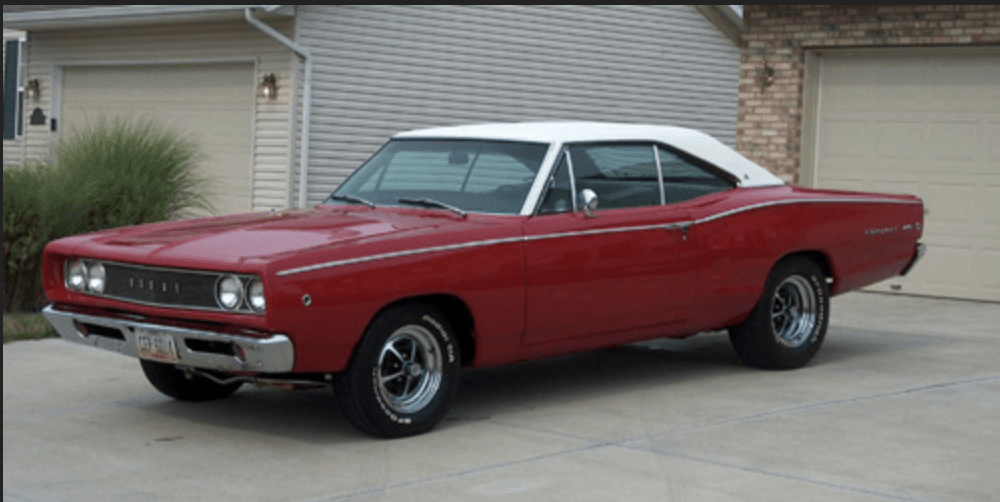
Classic cars represent far more than vintage transportation. They capture decades of automotive craftsmanship, engineering innovation, and cultural history. Before purchasing or selling one, it becomes essential to understand how to properly evaluate its worth. We believe that every collector, enthusiast, and first-time buyer should approach a classic car appraisal with clarity and confidence, ensuring every decision is informed and financially sound.
Appraising a classic vehicle requires a careful review of its market value, authenticity, historical documentation, and restoration quality. Unlike modern cars, which depreciate quickly, many classic automobiles can maintain or even increase in value, depending on rarity, condition, and collector demand.
Knowing how to appraise a classic car helps buyers avoid costly mistakes and allows sellers to price their vehicles accurately.
Understanding the True Market Value
The first step in evaluating a classic car is identifying its realistic market value. Several important elements influence how much a collector vehicle may be worth.
- Rarity and Production Numbers
Vehicles produced in limited quantities often command higher prices. When fewer examples exist, collectors view the model as more desirable and exclusive.
- Collector Demand
Certain makes and models gain popularity among collectors due to design, performance, or nostalgia. When demand increases within the collector community, market values tend to rise accordingly.
- Historical Significance
Some vehicles hold unique importance in automotive history. Cars connected to racing heritage, iconic designs, or milestone engineering achievements typically attract stronger buyer interest.
- Verifying Authenticity and Originality
Authenticity plays a major role in determining the value of a classic vehicle. Cars that maintain original components and factory specifications are generally more valuable to collectors.
- Matching Numbers
Matching numbers indicate that the engine, transmission, and major components correspond with the original factory records. This confirms the vehicle retains its authentic mechanical identity.
- Vehicle Identification Verification
VINs and manufacturer markings help confirm the vehicle’s origin. Appraisers often examine these identifiers to ensure the car matches its official production details.
- Ownership History and Documentation
Service records, ownership history, restoration invoices, and vintage photographs provide valuable insight into the vehicle’s background. Well-documented cars typically inspire greater buyer confidence.
- Evaluating Restoration and Overall Condition
Many classic vehicles undergo restoration during their lifetime. The quality of that restoration significantly affects the vehicle’s appraisal value.
- Preserved Original Condition
Collectors often favor cars that retain original materials and finishes whenever possible. Preservation helps maintain authenticity and historical integrity.
- Restoration Craftsmanship
Professional restoration performed with proper parts and techniques can enhance both appearance and functionality. Poor quality repairs or incorrect parts can reduce a vehicle’s overall value.
- Mechanical and Structural Health
Beyond visual appeal, the engine, suspension, chassis, and drivetrain must be inspected carefully. A structurally sound vehicle with reliable mechanical components is far more desirable to buyers.
Why Professional Appraisal Matters
Even experienced enthusiasts benefit from professional appraisals. Certified appraisers evaluate vehicles against industry standards, compare them to recent sales data, and provide an accurate assessment of market value.
Professional evaluations are especially useful for insurance coverage, collector sales, estate planning, and investment decisions. A detailed appraisal ensures both buyers and sellers understand the vehicle’s true worth.
Conclusion
Classic vehicles deserve thoughtful evaluation because every detail contributes to their long-term value and collectability. We take pride in helping enthusiasts understand the authenticity, history, and restoration quality that define a great collector car.
Contact our team today to receive expert insight into your classic car’s value. Let us help you make confident buying or selling decisions with trusted classic car expertise.
FAQs
Q1. What determines the value of a classic car?
A classic car’s value depends on rarity, originality, condition, restoration quality, documentation history, and collector demand for the specific make and model.
Q2. What does matching numbers mean in classic cars?
Matching numbers confirm that the engine, transmission, and other major components are original to the vehicle, improving authenticity and increasing collector value.
Q3. Should a classic car always be fully restored?
Not always. Many collectors prefer well-preserved original vehicles since authenticity often increases value more than extensive restoration or replacement of original parts.