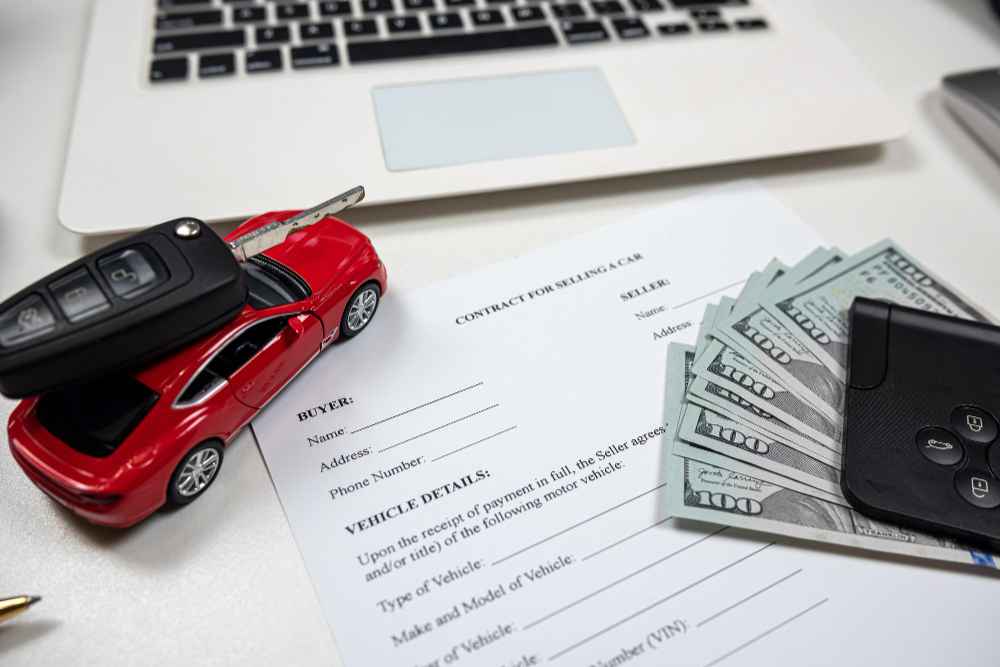
Selling an old car can feel complicated, especially if it has been sitting for a while, needs repairs, or falls into the classic or collector category. But the process becomes much easier when you know what paperwork to prepare before speaking with buyers. The right documents help prove ownership, support the vehicle’s condition, and protect both you and the buyer after the sale. They also make the transaction smoother, which is important if you want to sell the car quickly and avoid last-minute delays. If you are selling an older vehicle in Texas, here are the main documents you should have ready.
Vehicle Title
The vehicle title is the most important document in the selling process. It proves that you legally own the car and have the right to transfer it to another person. Before the sale, check that your name is listed correctly on the title and that the vehicle identification number matches the car. If there is a lien listed on the title, you will need proof that the lien has been released before the buyer can complete the transfer. This is especially important with older and classic vehicles. Many of them have changed hands over the years, and paperwork issues can slow down a sale. A clean, accurate title gives the buyer confidence and helps the transaction move forward without confusion.
Form 130-U
In Texas, the buyer will usually need a completed Application for Texas Title and/or Registration, also known as Form 130-U. This form is used when the buyer applies to transfer the vehicle into their name. The form includes details such as the buyer’s information, seller’s information, vehicle details, sale price, and odometer reading. As the seller, you should make sure the information is accurate before signing. Keeping a copy of this form for your own records is also a smart step. It gives you proof of the transaction details if any questions come up later.
Bill Of Sale
A bill of sale is not the same as a title, but it is still an important document. It acts as a written record of the sale and clearly states what both parties agreed to. A good bill of sale should include the buyer and seller names, vehicle year, make, model, VIN, sale price, date of sale, and signatures. It should also mention the condition of the car, especially if it is being sold as-is. For old vehicles, this matters. A car may have rust, missing parts, mechanical issues, replaced components, or restoration work in progress. Writing these details clearly helps avoid misunderstandings after the sale.
Valid Photo ID
Both the buyer and seller should have a valid government-issued photo ID. This confirms that the person signing the paperwork is the correct party involved in the sale. This step may seem basic, but it adds an extra layer of protection. It is especially useful when selling to someone you do not know, dealing with an out-of-state buyer, or selling a higher-value classic vehicle.
Lien Release
If the vehicle was ever financed, check whether a lienholder is listed on the title. A lien means a lender once had a legal interest in the car. If the loan has already been paid off, you may still need a lien release document to show that the lender no longer has a claim on the vehicle. Without this, the buyer may face trouble transferring the title. Before listing the car, make sure the lien is removed from the title or that you have the correct release paperwork ready.
Odometer Information
The odometer reading is usually recorded during the sale and title transfer process. For many vehicles, the mileage must be listed accurately.
With older cars, mileage can be harder to confirm. The odometer may have rolled over, been replaced, stopped working, or changed during restoration. In that case, do not guess. Be honest and clearly state whether the mileage is actual, unknown, or not accurate.
Accurate mileage information helps protect you legally and gives the buyer a clearer understanding of the vehicle.
Vehicle Transfer Notification
After selling a car in Texas, sellers should submit a Vehicle Transfer Notification, also known as Form VTR-346. This step helps update state records to show that the vehicle has been sold. This does not replace the buyer’s responsibility to transfer the title, but it can help protect you if the buyer delays the process. It may also help prevent issues related to tolls, tickets, accidents, or other problems after the car is no longer in your possession. For your own protection, this is one of the most important post-sale steps.
Final Thoughts
The documents required to sell car owners should include the title, Form 130-U, bill of sale, valid ID, odometer information, and Vehicle Transfer Notification. Depending on the vehicle, you may also need a lien release, replacement title, maintenance records, or restoration paperwork. For older and classic vehicles, good documentation is more than a formality. It helps prove ownership, explain the vehicle’s condition, support the asking price, and build trust with buyers. If you want to sell your old car fast and legally, start with the paperwork. Once your documents are ready, the process becomes clearer, quicker, and much easier to complete with confidence.
FAQs
What documents do I need to sell my old car?
You usually need the vehicle title, a bill of sale, valid photo ID, odometer information, and any required title transfer forms. In Texas, Form 130-U and Form VTR-346 are also commonly used.
Can I sell my old car without a title?
It is difficult and often not recommended. A clear title proves ownership, so it is best to apply for a replacement or certified copy before selling the car.
Do I need a bill of sale to sell my car?
A bill of sale is strongly recommended because it records the sale price, date, vehicle details, buyer information, and sale terms. It helps protect both the buyer and seller.
What if my old car has a lien?
You need a lien release before the buyer can transfer ownership smoothly. This proves the lender no longer has a legal claim on the vehicle.
Should I keep copies of the sale documents?
Yes. Keep copies of the signed title, bill of sale, Form 130-U, and transfer notification for your records in case questions come up after the sale.