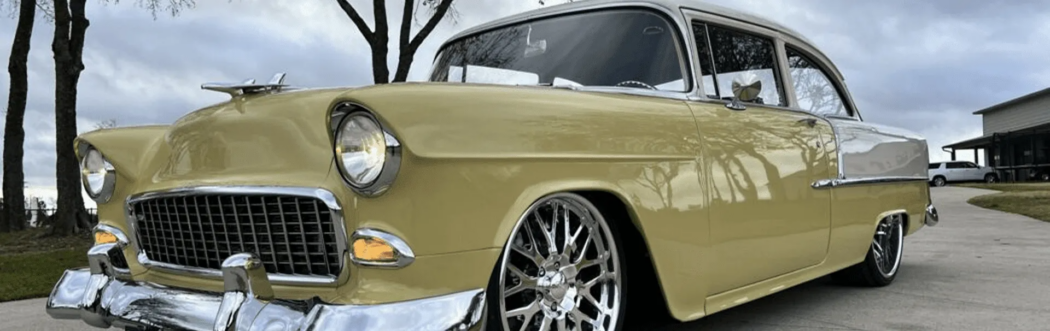
The condition of a classic vehicle is shaped by much more than age, mileage, or appearance. Where the vehicle spent most of its life and how it was stored can affect the frame, body panels, paint, interior, wiring, seals, and mechanical systems. Two vehicles from the same year may look similar in photos but have very different repair needs once they are inspected closely. For buyers comparing old cars and trucks for sale, location and storage history provide important clues about hidden damage and future maintenance costs. A well-preserved vehicle may have older paint but a solid structure, while a recently restored model may still have corrosion beneath the surface. Understanding these factors makes it easier to judge conditions accurately and choose a vehicle that offers better long-term value.
Indoor Storage Is Only Helpful When the Space Is Dry
Indoor storage is usually better than leaving a classic vehicle exposed to the weather. A clean, dry, and ventilated garage can protect paint, chrome, upholstery, rubber components, and electrical connections from rain, sunlight, dirt, and sudden temperature changes.
However, not every garage provides proper protection. A damp or poorly ventilated building can trap moisture around the vehicle. Condensation may form on metal surfaces, beneath carpets, inside body panels, and around electrical connections. Over time, this can lead to rust, musty odors, damaged insulation, and stained interior materials.
The flooring also matters. Vehicles stored for years over dirt or gravel may experience more underbody moisture than vehicles kept on a sealed concrete surface. This is especially important when evaluating older trucks available for sale, since moisture can affect the frame, cab mounts, bed supports, and lower body sections.
Outdoor Storage Can Create Hidden Problems
Outdoor storage exposes a vehicle to rain, sunlight, dust, humidity, falling debris, and repeated temperature changes. These conditions can damage both visible and hidden components.
Worn seals around windows, doors, trunks, and convertible tops may allow water to enter the vehicle. Moisture can collect beneath carpets, behind interior panels, or inside the trunk without being immediately noticeable. This can damage floor pans, wiring, seat frames, and insulation.
When reviewing old cars and trucks for sale, buyers should look for signs of prolonged outdoor exposure, including faded paint, dried seals, water marks, musty smells, rust bubbles, and corrosion beneath the vehicle.
Storage History Can Influence Overall Value
A vehicle’s storage history can affect both its asking price and its future ownership costs. Buyers sometimes focus heavily on paint quality, interior appearance, and low mileage, but structural condition often matters more. This is particularly important when comparing older trucks available for sale. Frame strength, cab mounts, suspension points, and bed supports can affect safety, drivability, and restoration costs.
Conclusion
Location and storage history can reveal a great deal about a classic vehicle’s true condition. Humidity, road salt, direct sunlight, poor ventilation, outdoor exposure, and long periods of inactivity can all affect the body, frame, interior, rubber parts, wiring, and mechanical systems. A polished exterior or low mileage should never be the only basis for a purchase. Buyers should consider where the vehicle lived, how it was stored, how often it was maintained, and whether its visible condition matches its history.
FAQs
Can a Vehicle’s Title History Reveal Where It Was Previously Kept?
Yes. Title and registration records may show the states where the vehicle was previously owned, helping buyers identify possible exposure to coastal air, road salt, or extreme heat.
Does a Climate-Controlled Storage Facility Add Value to a Classic Vehicle?
It can. Stable temperature and humidity levels may help preserve paint, upholstery, seals, and metal components, especially when supported by clear storage records.
Should Buyers Request Photos Taken Before a Vehicle Was Restored?
Yes. Pre-restoration photos can reveal the vehicle’s original condition, previous damage, and the extent of body or structural repairs completed.