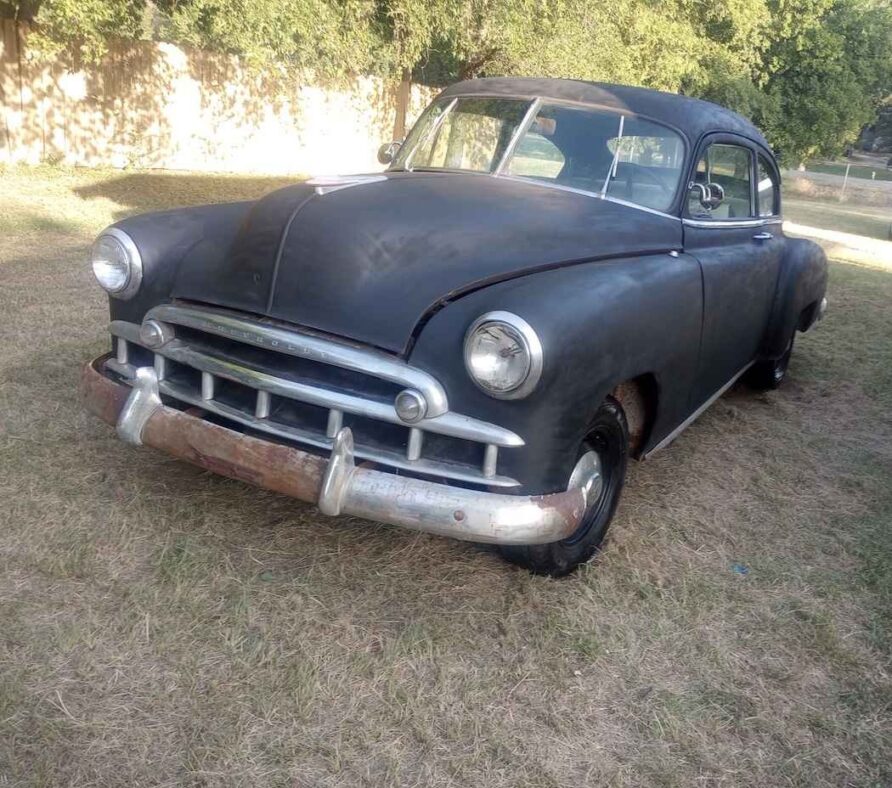
A restored classic car is worth buying when its records clearly show what work was completed, who handled it, and how the vehicle stands today. The word restored does not confirm value on its own. Buyers need clear documentation that connects the car’s past to its present before making a decision.
Many buyers reach a point where interest turns into hesitation. A car may look complete, yet the details behind that appearance remain unclear. A restored classic car with solid records removes that uncertainty. It allows buyers to evaluate the vehicle based on facts rather than assumptions.
In simple terms, a car becomes worth buying when its records clearly show three things:
- What work was actually completed?
- Who completed that work?
- How does the car stand today compared to that history?
If any of these points remain unclear, the risk increases, no matter how the car looks.
We work closely with buyers reviewing listings, and one pattern stands out. Buyers who focus on records make more confident decisions. Those who rely only on appearance often second-guess their choices later. Records bring clarity early in the process.
If you are reviewing a vehicle now, take a moment to check what records are available and ask for anything that is missing. Clear answers early in the process often make the final decision much easier.
What records actually prove a car is worth buying?
Not all records carry the same value. Buyers should focus on documents that explain both the work completed and the current condition.
Look for:
- Ownership and title details that confirm identity.
- Invoices that show parts, labor, and timing.
- Photos taken during the work that show real repairs.
- Any available mechanical records that explain major systems.
- Notes on parts that show what has changed.
- Recent updates that reflect how the car performs today.
When these pieces align, they create a clear and reliable picture.
How do you know if the records are reliable?
Reliable records tell a consistent story. Dates should match the work performed. The condition described in the documents should match what you see today in a restored classic car.
Buyers often move quickly through listings and miss small gaps. Missing invoices or unclear timelines create risk. A careful review helps you slow down and confirm whether the information truly supports the vehicle.
When reviewing a listing, connect the description with the records provided. Listings that include more detail make it easier to evaluate the vehicle. Ask what documentation exists and how it supports the details shown. This step helps turn interest into a clear decision.
Understanding what records cannot confirm
Records explain past work, but they do not guarantee how the car performs today. Buyers should keep this in mind before making a decision.
- Records do not confirm current drivability
- Records do not guarantee long-term reliability
- Records do not replace a current evaluation
Most buyers focus on whether records exist. Fewer check whether those records actually connect to the car in front of them. A file may look complete, yet still leave gaps in timing or condition. The difference often comes down to how well those details align.
Using records to compare real options
When comparing vehicles, appearance can be misleading. Documentation provides a more reliable way to judge value.
Focus on how clearly each vehicle supports its claims. One car may include detailed records, while another may leave questions unanswered. That difference matters more than surface condition.
Listings that provide more detail help buyers compare options with greater clarity and confidence.
Warning signs that should make you pause
Some gaps in records signal risk right away. You should take a step back when you notice:
- Missing invoices for major work
- No photos showing the restoration process
- Title details that do not match
- Descriptions that lack supporting information
When these signs appear together, it becomes important to pause and ask for clarification.
When good records still require caution
Even strong documentation does not replace current conditions. A car that has not been used or maintained after restoration may still need work.
Buyers should look beyond the records and consider how the vehicle has been handled since the work was completed. Records explain the past, but the present condition completes the evaluation.
If you want a faster way to decide, use this simple rule. When records clearly match the vehicle and answer your questions, you can move forward with confidence. When records leave you with more questions than answers, it is better to pause and reassess.
A simple checklist before you move forward
Use this quick check to guide your decision:
- Do the records clearly explain the work completed?
- Do ownership details match the vehicle?
- Do invoices and photos follow a clear timeline?
- Do available records support the current condition?
- Do the details remain consistent across the listing?
If most answers are clear, you can move forward with more confidence.
What should you do if records look complete but doubts remain?
Pause and ask direct questions. Request clarification that connects the documented work to the current condition. If answers remain unclear, stepping back protects your decision.
Taking a moment to confirm details helps you avoid moving forward with uncertainty.
Common buyer questions
Do all restored cars come with records
No. Some listings include detailed documentation, while others provide limited information. Buyers should always ask what is available.
Are photos enough to confirm restoration work
Photos help, but they do not replace invoices or detailed records. Both together provide better clarity.
Can a car still be worth buying with limited records
It depends on the buyer’s comfort level. Limited records increase risk, so careful review becomes more important.
Final decision perspective
A vehicle deserves your attention when its records clearly explain its history, match its identity, and support its current condition. When key details remain unclear, the risk increases.
Two cars may look similar at first glance, yet their records often tell very different stories. Buyers who focus on documentation gain a clearer understanding of value and avoid unnecessary risk.
Before making your final decision, review the available details, ask for records, and confirm how well the information supports the listing. Taking that extra step helps you move forward with clarity instead of uncertainty.
When comparing restored classic cars for sale, buyers who rely on clear and consistent records place themselves in a stronger position to choose wisely.