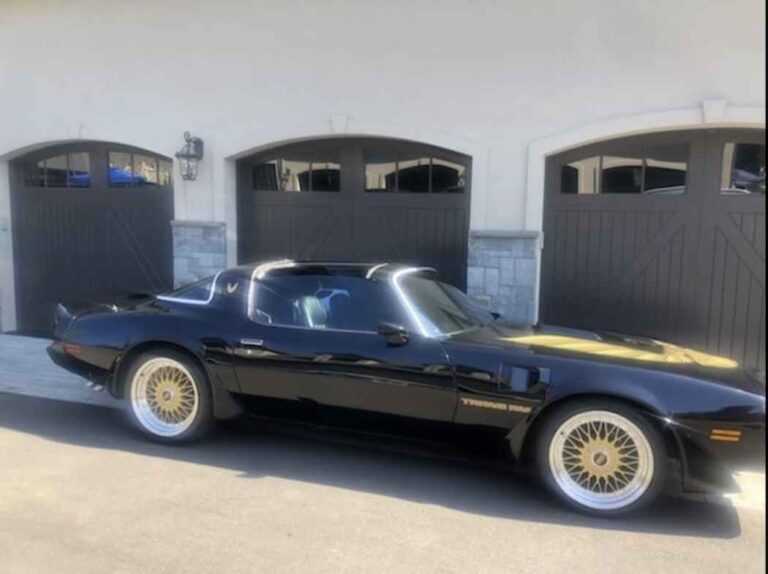
Buying a classic car to restore can be exciting, but the lowest-priced vehicle is not always the smartest choice. A project may look affordable at first, yet hidden rust, missing parts, poor repairs, and mechanical problems can quickly increase the total cost. In many cases, a slightly more expensive vehicle can be the better value because it provides a stronger and more complete starting point. Buyers looking at old cars that are suitable to restore should focus on the full condition of the vehicle rather than the asking price alone. The right project should match the buyer’s budget, skill level, available time, and plans for the finished car. A careful decision at the beginning can reduce delays, control expenses, and make the restoration process far more manageable.
The Purchase Price Is Only One Part of the Cost
The amount paid for a classic car is only the first expense. Restoration may also involve body repairs, engine work, transmission service, electrical repairs, upholstery, paint, chrome, glass, suspension components, brakes, and professional labor.
A very cheap vehicle may need major work in several of these areas. Once those costs are added, the project can become more expensive than a cleaner and more complete car with a higher purchase price.
This is why buyers comparing older cars currently for sale should think about the estimated total investment. A car with a solid body, usable interior, and complete trim may be worth more upfront because it can reduce the amount of work required later.
Completeness Often Matters More Than Appearance
Missing components can add considerable time and expense to a restoration. Trim pieces, emblems, gauges, brackets, interior hardware, glass, lights, and model-specific parts may be difficult to locate.
A complete but worn vehicle may be easier to restore than a cleaner-looking car with important pieces missing. Even damaged original parts can help buyers identify the correct replacements or provide useful patterns for repair.
When considering old cars to restore, buyers should check whether the engine, transmission, seats, dashboard, bumpers, lights, glass, and exterior trim are included. This is especially important when the vehicle has already been disassembled.
The Vehicle Should Match the Restoration Goal
Not every classic car needs to become a factory-correct show vehicle. Some buyers want a dependable weekend driver, while others prefer a preserved original, custom build, or full restoration.
The planned use of the vehicle should influence the buying decision. A complete and original car may be the best choice for a factory-style restoration. A solid vehicle with non-original mechanical parts may still be ideal for a restomod or casual driver.
Buyers reviewing older cars for sale should decide what they want from the finished vehicle before making an offer. A clear goal makes it easier to evaluate originality, condition, cost, and required work.
Conclusion
The purchase price may attract attention, but it should not be the main factor when choosing a classic car restoration project. Structural condition, completeness, parts availability, previous repairs, and the intended use of the finished vehicle all have a greater effect on the final cost. A carefully selected project can save money, reduce delays, and make the restoration easier to complete. By looking beyond the asking price and evaluating the full condition of the vehicle, buyers can choose a classic car that offers better value and a more realistic path to the road.
FAQs
Should buyers verify the title before purchasing a restoration car?
Yes. A clear title and matching vehicle identification details can prevent registration, ownership, and resale problems later.
Why does storage history matter when choosing a project car?
Long-term exposure to moisture, flooding, or outdoor conditions can damage wiring, seals, interiors, and hidden metal areas.
Is transportation cost important when buying a non-running classic car?
Yes. Shipping, loading, and special towing requirements can add a significant amount to the total purchase expense.